
5 Automation Challenges in Tile and Ceramic Production Lines
India’s tile and ceramic industry — concentrated heavily around hubs like Morbi, Gujarat — runs some of the most abrasive, high-temperature, and high-throughput manufacturing environments in the country. Automating these lines (pressing, glazing, cutting, sorting, and packing) comes with a specific set of engineering challenges that don’t show up in cleaner, lighter industries. Dust, heat, vibration, and constant high-speed cycling all attack automation components simultaneously.
Airmax Pneumatics Ltd has supplied pneumatic components to ceramic and tile manufacturers for decades, and these five challenges consistently determine whether a plant’s automation runs reliably or becomes a maintenance headache.
1. Abrasive Dust Infiltrating Pneumatic Components
Ceramic and tile production generates extremely fine, abrasive dust throughout the body preparation, pressing, and glazing stages. This dust works its way into cylinder seals, valve internals, and fittings, accelerating wear far faster than in a typical manufacturing environment. It’s the single biggest reason pneumatic components fail prematurely on tile lines.
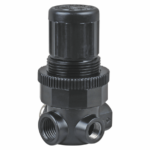
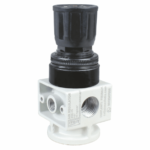
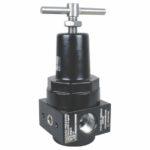
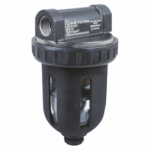
The fix: Use sealed, dust-rated pneumatic cylinders and valves, and ensure air preparation includes proper filtration before it ever reaches the actuator. Airmax’s pneumatic cylinder range and FRL units are commonly specified for dust-heavy ceramic production environments.
2. High-Tonnage Press Automation Demanding Precise Force Control
Hydraulic presses used for tile forming apply enormous, precisely controlled force, and the pneumatic systems that support press automation — part positioning, mould release, ejection — must operate with total reliability under constant vibration and heat from adjacent kilns and presses. A single inconsistent actuation cycle can damage a mould or produce an out-of-spec tile.
The fix: Specify directional control valves rated for the vibration and thermal load near presses, matched precisely to the actuation force and speed required. Explore Airmax’s directional control valves engineered for heavy industrial duty cycles.
3. Kiln-Adjacent Heat Degrading Seals and Air Quality
Sections of the line near kilns and dryers run at consistently elevated ambient temperatures. Heat accelerates degradation of standard seals and can cause condensation issues in compressed air lines as air moves between hot and cooler zones — leading to moisture-related valve and cylinder failures.
Also Read: Why Automotive Assembly Lines Struggle with Precision and Speed
The fix: Use heat-tolerant sealing materials in cylinders and valves near thermal zones, and install moisture separators at points where air lines transition between temperature zones.
4. Sorting and Handling Automation Struggling with Fragile, Heavy Product
Tiles are simultaneously heavy and brittle — a difficult combination for automated pick-and-place, sorting, and packing systems. Actuators need enough force to move the product reliably without the sudden, jerky motion that causes chipping or cracking, which is a direct yield loss.
The fix: Use cylinders and valves that allow fine control over actuation speed and force, not just raw power — enabling smoother acceleration and deceleration during handling. Airmax’s pneumatic accessories also play a role here, since flow control fittings help fine-tune actuator speed without replacing the whole cylinder.
5. Continuous-Duty Rotary Systems Wearing Out Under Constant Load
Rotary tables, indexing systems, and rotating glazing or printing stations run near-continuously in high-volume tile plants. Standard rotary unions weren’t designed for this duty cycle and tend to fail well before the rest of the line needs servicing, creating unplanned bottlenecks.
The fix: Specify rotary joints built for continuous industrial duty rather than intermittent-use rotary unions. Airmax’s rotary joints are designed for exactly this kind of sustained rotary automation load.
Tile & Ceramic Automation Challenges at a Glance
| Challenge | Root Cause | Production Impact | Airmax Solution |
|---|---|---|---|
| Abrasive dust infiltration | Fine ceramic dust in air/components | Premature seal & valve wear | Pneumatic Cylinders + FRL Units |
| Press automation inconsistency | Vibration & heat near presses | Mould damage, off-spec tiles | Heavy-duty Directional Control Valves |
| Kiln-zone heat & condensation | Thermal cycling of air lines | Valve/cylinder failure | Moisture Separators |
| Fragile product handling | Jerky actuation motion | Chipping, cracking, yield loss | Flow-controlled Pneumatic Accessories |
| Continuous rotary wear | Non-continuous-duty rotary unions | Unplanned bottlenecks | Continuous-duty Rotary Joints |
Why Generic Automation Components Underperform in Ceramic Plants
Tile and ceramic production sits at the intersection of three harsh conditions most industrial components aren’t built for simultaneously: abrasive dust, sustained heat, and high-tonnage vibration. Components that work reliably in a cleaner assembly environment often fail within months on a tile line. In our experience supplying pneumatic systems to ceramic manufacturing hubs, plants that specify components rated for this specific combination of conditions — rather than general industrial-grade parts — see meaningfully longer service intervals and fewer unplanned stoppages.
Build a More Reliable Ceramic Production Line
Airmax Pneumatics Ltd has manufactured ISO- and CE-certified pneumatic cylinders, directional control valves, FRL units, and rotary joints since 1992, with proven deployments across India’s tile and ceramic manufacturing belt.
Get a Quote or explore our complete product range — to reduce dust- and heat-related downtime on your line.
Frequently Asked Questions
Why do pneumatic components fail faster in tile and ceramic plants than other industries?
The combination of abrasive dust, sustained heat near kilns, and constant vibration from presses can accelerate wear on pneumatic seals, cylinders, and valves that are not specifically selected for these operating conditions. Proper component selection, air preparation, and preventive maintenance can help improve service life.
What causes chipped or cracked tiles during automated handling?
Jerky or poorly controlled actuator movement during pick-and-place, transfer, or sorting operations can contribute to chipped or cracked tiles. Proper flow control on pneumatic cylinders and directional control valves helps provide smoother acceleration and deceleration, improving handling consistency and reducing mechanical shock.
How often should rotary joints be inspected on continuous-duty tile production lines?
Rotary tables and indexing systems in tile production often operate continuously, placing higher demands on rotary joints. A cycle-based inspection schedule is generally more suitable than relying only on annual inspections. For high-cycle applications, monthly checks can help identify seal wear, leakage, or mechanical play before they affect production.