
5 Common Causes of Downtime in Plastic Processing Plants
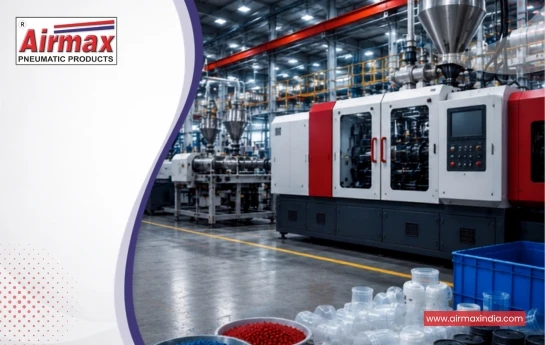
Every hour of unplanned downtime in a plastic processing plant — whether it’s injection moulding, extrusion, or blow moulding — translates directly into lost production, wasted material, and missed delivery schedules. Yet when you dig into most breakdown reports, the causes are rarely dramatic. They’re usually small, preventable component failures that compound over weeks of neglect.
Having supplied pneumatic systems to plastic processing units across India for over 30 years, Airmax Pneumatics Ltd has seen the same five issues surface again and again. Here’s what’s actually causing your downtime — and how to fix it at the source.
Compressed Air Contamination Damaging Actuators
Plastic processing lines run on compressed air for mould ejection, part transfer, clamping, and blow-moulding operations. When that air carries moisture, oil residue, or dust particles, it accelerates wear inside cylinders and valves, causing sticky actuation, inconsistent cycle times, and eventual seal failure. This is, by a wide margin, the single most common root cause of unplanned pneumatic downtime.
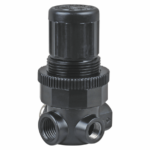
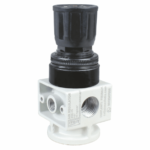
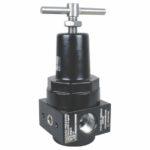
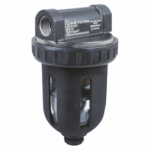
The fix: Install correctly sized FRL units at each point of use, and add moisture separators ahead of critical actuators, especially in humid regions or plants running compressors without adequate drying.
Worn or Mismatched Directional Control Valves
Injection and blow moulding cycles demand thousands of fast, precise valve switches per shift. Using undersized or generic valves — instead of ones matched to the cycle rate and flow requirement of the machine — leads to premature wear, slow response, and eventually valve failure mid-shift.
The fix: Match valve specification (flow rate, response time, duty cycle) to the actual machine cycle, not a generic catalogue spec. Airmax’s directional control valves, including the AD-20, RM, and Siko series, are built for exactly this kind of high-frequency industrial cycling.
Cylinder Seal Failure from Heat and Vibration
Plastic processing environments run hot, and moulding machines vibrate constantly during operation. Standard cylinders with low-grade seals degrade faster under these conditions, leading to air leakage, reduced clamping force, and — in extrusion lines — inconsistent product dimensions.
The fix: Use heavy-duty pneumatic cylinders rated for continuous high-cycle operation in heat- and vibration-heavy settings. Browse Airmax’s pneumatic cylinder range engineered for exactly this duty class.
Fittings and Accessories Treated as an Afterthought
Plant teams often over-invest in the “big” components — cylinders, valves, compressors — while treating fittings, connectors, and tubing as commodity items. But a single loose or degraded fitting is enough to drop system pressure across an entire line, causing slow cycles or intermittent stalling that’s maddening to diagnose.
The fix: Standardise on quality-certified pneumatic accessories and fittings across the plant, and include them in the same preventive maintenance checklist as major components.
Reactive Maintenance Instead of Scheduled Preventive Maintenance
The majority of downtime incidents we see traced back to component failure could have been caught during a routine inspection. Most plants run maintenance reactively — fixing what breaks — rather than on a preventive schedule tied to actual duty cycles.
The fix: Build a preventive maintenance calendar around actual usage hours and cycle counts, not calendar months. Components under continuous high-cycle load need more frequent inspection than a generic annual service plan accounts for.
Downtime Causes at a Glance
| Cause | Warning Signs | Typical Downtime Impact | Recommended Fix |
|---|---|---|---|
| Air contamination | Sticky/slow actuators, inconsistent cycles | 2–6 hrs per incident | FRL Units + Moisture Separators |
| Mismatched valves | Slow response, valve overheating | 4–8 hrs per incident | Cycle-rated Directional Control Valves |
| Seal failure (heat/vibration) | Air leaks, reduced clamp force | Full shift loss | Heavy-duty Pneumatic Cylinders |
| Weak fittings | Pressure drop, intermittent stalls | 1–3 hrs per incident | Certified Pneumatic Accessories |
| Reactive maintenance | Recurring, unpredictable failures | Compounding over months | Duty-cycle-based PM schedule |
Why This Matters for Plant Uptime Targets
Plastic processing plants typically operate with tight uptime targets because moulds and dies are expensive to leave idle. In our experience supplying components to moulding and extrusion operations, the plants with the fewest breakdowns aren’t necessarily running newer machines — they’re running correctly specified pneumatic systems with clean air supply and a maintenance rhythm matched to actual usage. Fixing these five issues typically addresses the majority of unplanned pneumatic downtime we see reported across plastic processing lines.
Reduce Downtime with the Right Pneumatic System Design
Airmax Pneumatics Ltd has been designing and manufacturing ISO- and CE-certified pneumatic cylinders, directional control valves, FRL units, and accessories since 1992, with a strong base of clients in plastic processing and moulding industries.
Get a Quote or explore our complete product range — to reduce downtime on your line.
Frequently Asked Questions (FAQ)
What is the single biggest cause of downtime in plastic processing plants?
Contaminated compressed air is one of the most common root causes of pneumatic system downtime. Moisture, oil, and other contaminants can gradually damage seals, valves, and actuators before visible failures occur. Proper air filtration, moisture removal, and regular maintenance can help reduce these problems.
How often should pneumatic components be inspected in a high-cycle moulding plant?
Inspection frequency should be based on machine cycle count and operating conditions rather than calendar time alone. High-cycle production lines may require pneumatic component checks every 2–4 weeks, particularly for frequently operated cylinders, valves, fittings, and air preparation equipment.
Can better fittings really reduce downtime, or is it mainly about cylinders and valves?
Yes. Pneumatic fittings can have a significant impact on system reliability. A worn, damaged, or poorly sealed fitting can cause pressure loss and inconsistent actuator performance across an entire pneumatic circuit. Fittings should therefore receive the same preventive maintenance attention as cylinders, valves, and other major automation components.