
Why Textile Manufacturing Lines Lose Productivity: Common Causes and Practical Automation Solutions
The Indian textile industry is one of the largest contributors to the country’s manufacturing sector, accounting for approximately 2.3% of India’s GDP, 13% of industrial production, and around 12% of export earnings, according to the Ministry of Textiles. As domestic and global demand continues to grow, textile manufacturers are under constant pressure to increase production, maintain consistent quality, and deliver orders within shorter lead times.
However, achieving higher output isn’t always about adding more machines or increasing workforce capacity. Many textile manufacturers experience productivity losses due to frequent equipment stoppages, inconsistent machine performance, inefficient material movement, and reactive maintenance practices. While these issues may appear minor individually, their cumulative impact can significantly reduce overall equipment effectiveness (OEE), increase production costs, and delay customer deliveries.
Modern automation offers manufacturers an opportunity to address these operational challenges without completely replacing existing machinery. By improving motion control, machine synchronization, and compressed air reliability, textile plants can enhance production efficiency while reducing unplanned downtime.
This article explores the common reasons why textile manufacturing lines lose productivity and discusses practical automation strategies that help manufacturers improve operational performance and long-term reliability.
Why Productivity Is Becoming a Bigger Challenge in Textile Manufacturing
Textile manufacturing has evolved significantly over the past decade. Increasing customer expectations, shorter production cycles, rising labour costs, and growing competition have made operational efficiency a key differentiator for manufacturers.
Modern textile facilities often operate continuously across spinning, weaving, knitting, dyeing, finishing, and packaging processes. Since these production stages are interconnected, a delay or malfunction in one section can affect the entire manufacturing line.
Several operational factors contribute to reduced productivity, including:
- Frequent machine stoppages
- Inconsistent material handling between processes
- Variations in machine movement and positioning
- Poor compressed air quality affecting pneumatic equipment
- Delayed maintenance and equipment failures
Rather than responding to these issues after they occur, many manufacturers are investing in automation upgrades that improve equipment reliability, reduce production interruptions, and optimize machine performance.
5 Common Reasons Textile Manufacturing Lines Lose Productivity
1. Frequent Unplanned Machine Downtime
Unexpected equipment downtime remains one of the biggest productivity challenges in textile manufacturing. Machines stopping unexpectedly during production not only reduce output but also create bottlenecks across upstream and downstream operations.
Downtime can occur for several reasons, including worn mechanical components, inconsistent actuator movement, inadequate maintenance, or failures in auxiliary systems. Even short interruptions can result in lost production time, increased labour costs, and delayed order fulfillment.
According to the International Society of Automation (ISA), unplanned downtime is among the leading causes of production losses in automated manufacturing environments, emphasizing the importance of proactive maintenance and reliable automation systems.
One effective way to reduce downtime is by improving the reliability of machine motion. Pneumatic systems used for repetitive operations such as clamping, lifting, positioning, and material transfer should deliver consistent performance throughout continuous production cycles. Selecting reliable motion components and maintaining stable operating conditions helps minimize unexpected failures and improve equipment availability.
2. Inconsistent Material Handling Between Production Stages
Material movement plays a crucial role in textile manufacturing. From transferring yarn packages to positioning fabric rolls and handling finished goods, every movement must be synchronized with the production process.
When material handling systems are inconsistent, production speed decreases, operators spend more time making manual adjustments, and machine idle time increases. Misalignment or delayed positioning can also affect product quality and create unnecessary waste.
Automation helps improve material handling by providing repeatable and controlled movement across different stages of production. Linear actuation systems enable accurate positioning during repetitive operations, while directional control systems coordinate movement sequences for smooth process flow.
Instead of relying on manual intervention, automated material handling improves production consistency, reduces cycle time, and allows operators to focus on higher-value tasks.
3. Poor Compressed Air Quality Reduces Equipment Performance
Compressed air is often referred to as the fourth utility in manufacturing because many industrial machines rely on it for efficient operation. In textile plants, contaminated compressed air containing moisture, dust, or oil particles can negatively affect the performance of pneumatic systems.
Poor air quality may lead to sluggish actuator movement, inconsistent machine operation, increased component wear, and higher maintenance requirements. Over time, these issues reduce machine reliability and contribute to frequent production interruptions.
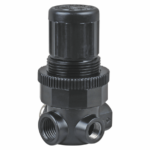
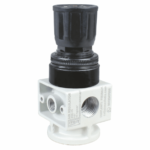
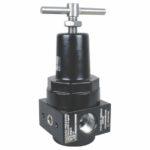
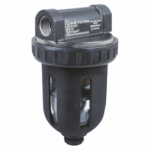
Maintaining clean and properly conditioned compressed air is essential for achieving consistent machine performance. Air preparation systems help remove contaminants before compressed air reaches automation components, improving operational reliability and extending equipment life.
Manufacturers should also inspect compressed air systems regularly to identify leaks, pressure drops, or moisture accumulation that may impact production efficiency.
Also read: How to Calculate Pneumatic Cylinder Force
4. Machine Synchronization Issues Across Production Lines
Textile manufacturing involves multiple interconnected processes, from spinning and weaving to dyeing, finishing, and packaging. When machines fail to operate in sync, production flow becomes inconsistent, resulting in idle time, product defects, and reduced throughput.
Synchronization issues often arise due to:
- Delayed actuation between machines
- Inconsistent movement speeds
- Incorrect timing sequences
- Fluctuating air pressure
- Aging automation components
For example, if a fabric feeding mechanism operates faster than the downstream cutting or winding unit, material may accumulate or stretch, affecting both productivity and product quality.
Modern automation systems help maintain synchronized machine movement by providing precise and repeatable control over linear and sequential operations. Consistent actuation minimizes process variations and enables smoother production flow across the manufacturing line.
5. Reactive Maintenance Instead of Preventive Maintenance
Many textile manufacturers continue to follow a reactive maintenance approach, where equipment is repaired only after a failure occurs. Although this may appear cost-effective in the short term, it often leads to higher maintenance expenses, unexpected downtime, and production losses over time.
A preventive maintenance strategy focuses on identifying potential issues before they interrupt production. Regular inspection of pneumatic systems, air quality, moving components, and sealing elements helps reduce unexpected failures and improves overall equipment reliability.
Manufacturers should periodically inspect:
- Air pressure consistency
- Air leakage
- Filter condition
- Moisture accumulation
- Component wear
- Actuator performance
Combining preventive maintenance with reliable automation components enables textile manufacturers to improve machine availability and reduce lifecycle operating costs.
Practical Automation Solutions to Improve Productivity
Improving productivity does not always require investing in completely new production lines. In many cases, upgrading critical automation systems and improving machine reliability can deliver measurable performance improvements while maximizing the value of existing equipment.
The table below highlights common productivity challenges and practical automation approaches.
| Productivity Challenge | Practical Automation Approach |
|---|---|
| Frequent machine downtime | Improve the reliability of linear motion systems using high-quality Pneumatic Cylinders. |
| Inconsistent material handling | Automate repetitive positioning and transfer operations with precise motion control. |
| Poor compressed air quality | Install properly maintained FRL Units to supply clean, dry, and regulated compressed air. |
| Machine synchronization issues | Use Directional Control Valves to improve sequencing and repeatability across machine operations. |
| Continuous rotating applications | Integrate Rotary Joints where rotating equipment requires uninterrupted fluid or air transfer. |
Rather than viewing these components as individual products, manufacturers should consider them as part of an integrated automation system that improves reliability, consistency, and production efficiency.
What Procurement Teams Should Consider Before Upgrading Textile Machinery
When evaluating automation upgrades, procurement decisions should focus on long-term operational value rather than initial purchase price alone.
Key factors to consider include:
- Component reliability under continuous production conditions.
- Compatibility with existing machinery and automation systems.
- Availability of spare parts and technical support.
- Ease of maintenance and servicing.
- Consistent product quality and manufacturing standards.
- Total cost of ownership over the equipment lifecycle.
Selecting dependable automation components reduces maintenance requirements, minimizes downtime, and helps manufacturers achieve a better return on investment over the life of the machine.
Supporting Reliable Textile Automation
Reliable automation depends not only on machine design but also on the quality and consistency of the components integrated into the system. From repetitive linear movement and accurate motion control to clean compressed air and continuous rotary operation, every automation element contributes to overall production performance.
Airmax Pneumatics manufactures a wide range of pneumatic automation solutions that support industrial applications across textile manufacturing and other processing industries. Its product portfolio includes Pneumatic Cylinders, Directional Control Valves, FRL Units, Rotary Joints, and other pneumatic accessories designed for demanding industrial environments.
By selecting the right automation components and maintaining them properly, manufacturers can improve productivity, reduce maintenance requirements, and support long-term operational reliability.
Conclusion
Maintaining high productivity in textile manufacturing requires more than increasing machine speed or adding production capacity. Sustainable improvements come from identifying operational bottlenecks and implementing automation strategies that enhance machine reliability, process consistency, and maintenance efficiency.
Issues such as unplanned downtime, inconsistent material handling, poor compressed air quality, synchronization problems, and reactive maintenance can significantly impact production performance. Addressing these challenges with well-designed automation systems helps manufacturers improve equipment utilization, reduce operating costs, and maintain consistent product quality.
Whether you are planning a new production line or upgrading existing textile machinery, choosing reliable automation components is an important step toward improving long-term manufacturing performance.
Ready to Improve Productivity in Your Textile Manufacturing Facility?
If you’re looking to improve machine reliability and production efficiency, contact the Airmax technical team to discuss the right pneumatic automation solution for your textile manufacturing requirements.
Frequently Asked Questions
Why do textile manufacturing lines lose productivity?
Textile manufacturing lines commonly lose productivity due to unplanned machine downtime, inconsistent material handling, poor compressed air quality, synchronization issues between machines, and reactive maintenance practices. Addressing these challenges through automation helps improve production efficiency and minimize operational disruptions.
How can automation improve productivity in textile manufacturing?
Automation increases productivity by improving process consistency, reducing manual intervention, minimizing machine downtime, enhancing motion accuracy, and supporting continuous production. It also helps manufacturers achieve higher product quality and better operational efficiency.
Why is compressed air quality important in textile manufacturing?
Clean, dry, and properly regulated compressed air ensures reliable operation of pneumatic systems. It reduces component wear, minimizes maintenance requirements, improves machine performance, and helps maintain consistent production quality across textile manufacturing processes.
What should manufacturers evaluate before upgrading automation systems?
Before investing in automation upgrades, manufacturers should evaluate equipment compatibility, component reliability, maintenance requirements, spare parts availability, supplier support, scalability, and the overall total cost of ownership to ensure long-term operational benefits.
Which pneumatic components are commonly used in textile manufacturing?
Textile manufacturing commonly uses pneumatic cylinders, directional control valves, FRL units, and rotary joints for motion control, air preparation, machine automation, and continuous air transfer. These components help improve production efficiency, reliability, and machine performance.