
7 Automation Design Mistakes That Increase Machine Downtime and Maintenance Costs
Manufacturers today operate in an environment where production schedules are tighter, customer expectations are higher, and unplanned downtime can quickly impact profitability. While advances in automation have made machines faster and more efficient, they have also increased the importance of designing systems that are reliable, easy to maintain, and adaptable to future production requirements.
A well-designed automation system does more than perform a specific task—it supports consistent production, simplifies maintenance, minimizes energy losses, and reduces the total cost of ownership throughout the machine’s operational life.
Unfortunately, many costly problems originate during the design stage and remain unnoticed until the machine is already in production. Addressing these issues early helps manufacturers avoid recurring maintenance problems and improve long-term operational performance.
1. Selecting Components Based Only on Initial Purchase Cost
Reducing project costs is an important objective for every machine builder. However, selecting automation components based solely on their purchase price can result in significantly higher operating costs over time.
Lower-cost components may require more frequent maintenance, have shorter service lives, or perform inconsistently under continuous production conditions. While the initial savings may appear attractive, unexpected failures, replacement costs, and production downtime often outweigh the original investment.
Instead of focusing only on purchase price, manufacturers should evaluate:
- Expected operating life
- Reliability under continuous use
- Maintenance requirements
- Availability of spare parts
- Technical support
- Total lifecycle cost
A reliable automation system should be designed to minimize interruptions throughout its operational life rather than simply reducing upfront project costs.
2. Ignoring Compressed Air Quality During System Design
Compressed air is one of the most critical utilities in pneumatic automation systems, yet it is frequently overlooked during machine design.
Many automation problems originate not from pneumatic components themselves but from poor air quality. Moisture, oil contamination, dust particles, and unstable air pressure can reduce component performance, increase wear, and shorten service life.
Poor compressed air preparation may lead to:
- Slower actuator response
- Inconsistent machine movement
- Air leakage
- Increased maintenance frequency
- Premature component failure
Designing an automation system with proper air preparation from the beginning helps maintain stable operating conditions and improves the reliability of pneumatic equipment.
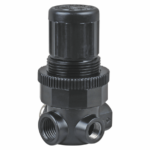
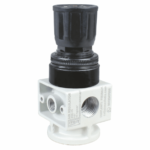
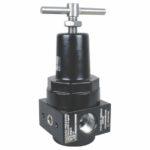
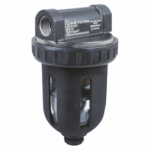
Well-designed compressed air systems typically include filtration, pressure regulation, lubrication (where required), and moisture removal to ensure consistent machine performance.
3. Incorrect Sizing of Motion Components
Selecting motion components without thoroughly evaluating application requirements is another common design mistake. Oversized or undersized actuators can negatively affect machine performance, energy efficiency, and equipment reliability.
For example, choosing a pneumatic cylinder based only on available installation space rather than the required load, stroke length, operating pressure, and cycle frequency may result in:
- Incomplete movement
- Reduced positioning accuracy
- Increased compressed air consumption
- Excessive component wear
- Lower production efficiency
Proper sizing requires engineers to consider several factors, including load characteristics, operating speed, available air pressure, mounting configuration, and expected duty cycle.
Correctly sized motion components improve machine performance while reducing unnecessary stress on the automation system.
4. Poor Machine Sequencing and Motion Control
Modern automated machines rely on multiple actuators and control systems working together with precise timing. When machine sequences are poorly designed, even small delays in movement can affect overall production performance.
Examples include:
- Incorrect operation sequence between stations
- Delayed product transfer
- Simultaneous actuator movements causing interference
- Inconsistent cycle timing
- Product handling errors
Poor sequencing often results in unnecessary idle time, lower production throughput, and increased wear on mechanical components.
Effective motion control begins during the design phase by carefully coordinating the movement of each actuator and ensuring repeatable operating sequences throughout the machine.
Reliable control systems help improve synchronization, reduce process variations, and maintain smooth production flow across automated equipment.
5. Designing Without Maintenance Accessibility
Maintenance is often considered only after a machine is commissioned. However, the ease with which technicians can inspect, service, or replace automation components has a direct impact on machine availability throughout its lifecycle.
Poor maintenance accessibility can result in:
- Longer machine shutdowns during servicing
- Increased labour costs
- Delayed fault diagnosis
- Greater risk of maintenance errors
- Reduced equipment availability
For example, if pneumatic components are installed in confined spaces or critical valves are difficult to access, even routine maintenance can require partial machine disassembly, extending production downtime unnecessarily.
Good automation design should provide adequate space around frequently serviced components and allow maintenance teams to inspect or replace parts with minimal disruption to production.
Designing for maintainability not only reduces service time but also improves workplace safety and simplifies long-term machine support.
6. Overlooking Future Expansion and Modularity
Manufacturing requirements rarely remain the same throughout the life of a machine. Production capacity may increase, product variants may change, or additional automation functions may be required as customer demands evolve.
Machines designed without considering future expansion often require expensive redesigns or extensive modifications when production needs change.
A modular automation design allows manufacturers to:
- Add new production stations more easily.
- Upgrade control systems with minimal disruption.
- Standardize automation components across multiple machines.
- Simplify future maintenance and spare part management.
Considering scalability during the initial design stage helps protect long-term investments while reducing future engineering costs.
7. Ignoring Total Cost of Ownership
One of the most common procurement and design mistakes is evaluating automation systems based primarily on their initial purchase price rather than their long-term operating cost.
The total cost of ownership (TCO) includes much more than the price of individual components. It also considers factors such as maintenance frequency, spare part replacement, energy consumption, production downtime, and equipment lifespan.
A lower-cost component that fails more frequently or increases maintenance requirements may ultimately cost significantly more than a higher-quality alternative with greater reliability.
When selecting automation components, decision-makers should consider:
- Expected service life
- Maintenance intervals
- Spare part availability
- Energy efficiency
- Technical support
- Machine downtime risk
Focusing on lifecycle value instead of initial cost helps manufacturers improve operational reliability while reducing long-term production expenses.
Better Automation Design Leads to Better Machine Performance
Many machine reliability issues can be prevented during the design stage by adopting proven engineering practices. The table below summarizes common design mistakes and practical approaches to improve machine performance.
| Common Design Mistake | Better Engineering Practice |
|---|---|
| Selecting components based only on price | Evaluate reliability, service life, and total cost of ownership. |
| Ignoring compressed air quality | Design with proper air preparation using filtration, regulation, and moisture removal. |
| Incorrect sizing of motion components | Select components based on load, stroke, pressure, and duty cycle. |
| Poor machine sequencing | Design coordinated and repeatable motion control between machine operations. |
| Limited maintenance accessibility | Ensure critical automation components are easy to inspect and service. |
| Ignoring future expansion | Adopt modular machine designs that simplify upgrades. |
| Lack of lifecycle planning | Consider maintenance, spare parts, and long-term operational efficiency during design. |
These practices help manufacturers reduce downtime, improve machine availability, and create automation systems that remain reliable throughout their operational life.
What Procurement Teams Should Evaluate Before Approving an Automation System
Procurement decisions play an important role in the long-term success of any automation project. Selecting the right automation components involves balancing performance, reliability, and lifecycle value rather than focusing only on initial procurement costs.
Before approving an automation system, procurement teams should evaluate:
- Reliability under continuous production conditions.
- Compatibility with existing machinery and control systems.
- Availability of spare parts and after-sales support.
- Ease of maintenance and servicing.
- Standardization across multiple production lines.
- Long-term operating and maintenance costs.
Collaborating with design engineers early in the procurement process helps ensure selected components support both production goals and long-term operational requirements.
Building Reliable Automation Systems
Reliable automation is achieved through thoughtful engineering, quality components, and a design approach that considers the complete machine lifecycle. From precise motion control and clean compressed air to maintainability and system scalability, every design decision influences machine performance after installation.
Airmax Pneumatics supports industrial automation with a comprehensive range of pneumatic solutions, including Pneumatic Cylinders, Directional Control Valves, FRL Units, Rotary Joints, Moisture Separators, and other pneumatic accessories used across a wide range of manufacturing industries.
When integrated into a well-designed automation system, these components help improve machine reliability, reduce maintenance requirements, and support consistent production performance.
Conclusion
Many of the issues that lead to machine downtime are not caused by unexpected failures but by design decisions made long before production begins. Selecting components based only on price, overlooking compressed air preparation, incorrect actuator sizing, poor motion sequencing, limited maintenance accessibility, lack of scalability, and ignoring lifecycle costs can all reduce machine reliability and increase operating expenses.
By addressing these considerations during the design stage, manufacturers can build automation systems that deliver higher productivity, lower maintenance requirements, and better long-term performance.
Planning Your Next Automation Project?
Whether you’re designing a new machine or upgrading an existing production line, contact the Airmax technical team to discuss reliable pneumatic automation solutions that support long-term machine performance and operational efficiency.
Frequently Asked Questions
What are the most common automation design mistakes?
Common automation design mistakes include selecting components based only on purchase cost, poor compressed air preparation, incorrect actuator sizing, inefficient motion sequencing, limited maintenance accessibility, lack of scalability, and overlooking the total cost of ownership. Avoiding these issues helps improve system performance and long-term reliability.
How does automation design affect machine downtime?
A well-designed automation system improves machine reliability, simplifies maintenance, reduces unexpected equipment failures, and minimizes production interruptions throughout the machine lifecycle. Proper engineering also increases productivity and lowers operating costs.
Why is compressed air quality important in automation systems?
Clean, dry, and properly regulated compressed air allows pneumatic components to operate consistently. It reduces wear on valves and actuators, improves system reliability, extends component life, and minimizes maintenance requirements.
Why should manufacturers consider total cost of ownership?
Total cost of ownership provides a more accurate measure of long-term value by considering maintenance expenses, energy consumption, spare parts availability, downtime, and equipment lifespan instead of focusing only on the initial purchase price.
What should procurement teams evaluate before purchasing automation components?
Procurement teams should evaluate component reliability, system compatibility, maintenance requirements, spare parts availability, technical support, product standardization, and lifecycle operating costs. Considering these factors helps ensure dependable performance and reduces long-term ownership costs.