
Why Packaging Lines Experience Frequent Downtime: 5 Hidden Causes Every Manufacturer Should Address
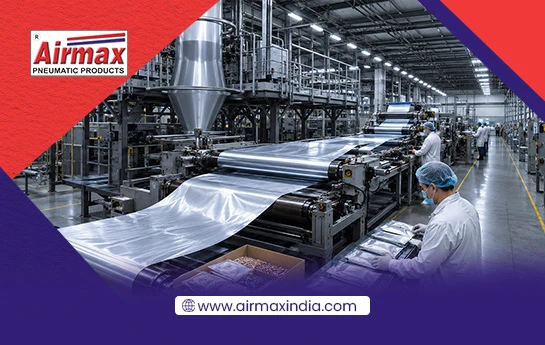
India’s packaging industry has become one of the fastest-growing manufacturing sectors, driven by increasing demand from food and beverage, pharmaceuticals, FMCG, e-commerce, and consumer goods industries. According to the Indian Institute of Packaging (IIP), the Indian packaging market has been expanding steadily due to changing consumer preferences, urbanization, and higher demand for packaged products. As production volumes continue to increase, manufacturers are expected to deliver greater output while maintaining product quality and minimizing operational costs.
Despite investments in advanced packaging machinery, many manufacturers continue to face an often-overlooked challenge—frequent production downtime. Even short interruptions can slow production schedules, increase labour costs, create bottlenecks across upstream and downstream processes, and affect on-time deliveries. While some downtime is planned for maintenance or changeovers, unexpected machine stoppages often indicate underlying operational issues that can be addressed through better system design and automation practices.
Rather than focusing only on increasing machine speed, manufacturers should identify the root causes that reduce packaging line reliability. Improving motion control, compressed air quality, equipment synchronization, and preventive maintenance can significantly enhance production efficiency without requiring complete machine replacement.
This article explores five common reasons packaging lines experience unnecessary downtime and discusses practical automation strategies that help manufacturers improve operational performance.
Why Downtime Is a Bigger Challenge Than Most Packaging Manufacturers Realize
Packaging lines operate as integrated production systems where every machine depends on the performance of the previous and next stage. Filling, sealing, labelling, coding, inspection, and carton handling must work together with precise timing to maintain continuous production.
When one machine slows down or stops unexpectedly, the entire line can be affected. Operators may need to pause production, clear product jams, perform manual adjustments, or wait for maintenance support. These interruptions reduce Overall Equipment Effectiveness (OEE), increase production costs, and limit the ability to meet customer delivery schedules.
While many manufacturers initially associate downtime with major mechanical failures, the actual causes are often much smaller and develop gradually over time. Identifying these issues early helps improve equipment reliability and maintain consistent production.
5 Hidden Reasons Packaging Lines Stop More Often Than They Should
1. Inconsistent Product Handling Creates Production Bottlenecks
Packaging operations rely on accurate and repeatable movement throughout the production process. Products must be positioned, transferred, clamped, pushed, or sorted with precision to maintain continuous flow between machines.
When product handling becomes inconsistent, packaging lines may experience:
- Product jams
- Misalignment during filling or sealing
- Delayed transfer between stations
- Increased product rejection
- Manual intervention by operators
These seemingly small issues accumulate over time, reducing overall line efficiency and increasing production delays.
Reliable motion control is essential for repetitive packaging operations. Well-designed pneumatic automation systems help deliver consistent linear movement for tasks such as pushing, lifting, clamping, and positioning products across the packaging line. Stable and repeatable motion reduces handling errors and helps maintain smooth production flow.
2. Poor Compressed Air Quality Affects Machine Performance
Compressed air powers a wide range of packaging equipment, making air quality one of the most critical factors in maintaining reliable automation. Moisture, oil, dust, or pressure fluctuations within the compressed air system can gradually reduce machine performance without being immediately noticeable.
Poor air quality may result in:
- Slower actuator response
- Inconsistent movement
- Increased wear on pneumatic components
- Air leakage
- Unexpected equipment stoppages
Over time, these issues increase maintenance frequency and reduce production reliability.
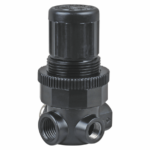
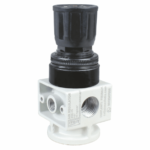
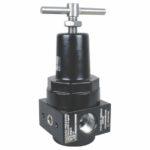
Maintaining clean, dry, and regulated compressed air helps pneumatic systems perform consistently throughout continuous production cycles. Proper air preparation not only improves machine performance but also extends the service life of automation components.
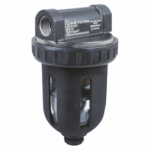
Regular inspection of compressed air systems, including filters and moisture removal devices, can prevent many avoidable production interruptions.
3. Poor Machine Synchronization Slows the Entire Packaging Line
Modern packaging facilities often integrate multiple machines into a single automated production line. Filling machines, conveyors, cappers, labellers, inspection units, and palletizing systems must operate with precise timing to maintain continuous product flow.
When machine movements are not synchronized, manufacturers may experience:
- Product accumulation between stations
- Idle equipment waiting for upstream processes
- Inconsistent cycle times
- Reduced production throughput
- Increased product handling errors
Synchronization issues are frequently caused by inconsistent actuation, delayed signal response, fluctuating operating conditions, or poorly coordinated control sequences.
Reliable automation systems improve coordination between different stages of production by ensuring consistent machine movement and repeatable operating sequences. This helps reduce unnecessary delays while improving production consistency across the entire packaging line.
4. Reactive Maintenance Leads to Unplanned Downtime
Many packaging facilities still rely on reactive maintenance, where components are repaired or replaced only after a machine stops working. While this approach may appear to reduce maintenance costs initially, it often results in longer production interruptions and higher operating expenses.
Critical automation components gradually wear over time due to continuous operation. Ignoring early signs such as slower actuator movement, pressure fluctuations, air leaks, or inconsistent machine cycles can eventually lead to unexpected failures that stop the entire packaging line.
Also read: Why Textile Manufacturing Lines Lose Productivity
A preventive maintenance strategy helps manufacturers identify potential issues before they affect production. Regular inspection of pneumatic systems, compressed air quality, and moving components improves equipment reliability while reducing emergency maintenance requirements.
Routine maintenance should include:
- Checking compressed air pressure and flow consistency.
- Inspecting filters and moisture removal systems.
- Identifying air leakage in pneumatic circuits.
- Monitoring actuator performance and response time.
- Verifying machine cycle consistency.
Preventive maintenance not only minimizes downtime but also extends the operational life of packaging equipment.
5. Lack of System Standardization Increases Maintenance Complexity
As packaging lines expand or undergo modifications over time, manufacturers often integrate components from different suppliers without considering long-term compatibility. While this may solve an immediate requirement, it can create maintenance challenges in the future.
A lack of standardization can result in:
- Increased spare parts inventory
- Longer maintenance time
- Compatibility issues during replacements
- Inconsistent machine performance
- Higher lifecycle costs
Standardizing automation components across multiple packaging machines simplifies maintenance, improves spare parts availability, and enables technicians to troubleshoot problems more efficiently.
For procurement teams, selecting reliable automation components that can be consistently used across different machines contributes to better long-term operational performance and reduced maintenance costs.
How Automation Helps Improve Packaging Line Reliability
Improving packaging line performance is not always about investing in entirely new machinery. In many cases, upgrading automation systems and improving component reliability can significantly reduce downtime while increasing production efficiency.
The following table highlights common packaging challenges and practical automation approaches.s and improve the long-term reliability of your production line.
| Packaging Challenge | Practical Automation Approach |
|---|---|
| Product handling inconsistencies | Use reliable Pneumatic Cylinders for accurate, repeatable linear motion. |
| Poor compressed air quality | Install and maintain FRL Units and Moisture Separators to ensure clean, dry, and regulated compressed air. |
| Machine synchronization delays | Improve sequencing with Directional Control Valves for consistent pneumatic control. |
| Frequent maintenance interruptions | Adopt preventive maintenance and standardize automation components. |
| Continuous production requirements | Select industrial automation components designed for long service life and reliable performance. |
Rather than addressing problems individually after they occur, manufacturers benefit from viewing automation as a complete system where motion control, air preparation, and machine coordination work together to improve production reliability.
What Procurement Teams Should Consider Before Upgrading Packaging Equipment
Selecting automation components for packaging applications involves more than comparing specifications or purchase prices. Procurement decisions should focus on long-term reliability, compatibility, and operational value.
Before investing in automation upgrades, manufacturers should evaluate:
- Compatibility with existing packaging machinery.
- Reliability under continuous production conditions.
- Availability of spare parts and technical support.
- Ease of maintenance and servicing.
- Consistent manufacturing quality.
- Energy efficiency and lifecycle operating costs.
A well-planned automation investment helps reduce unexpected downtime while improving production stability over the long term.
Reliable Automation Starts with Reliable Components
Every packaging line depends on hundreds of repetitive movements performed throughout the day. Whether products are being positioned, transferred, sealed, labelled, or sorted, automation components must operate consistently under demanding production conditions.
High-quality pneumatic components help maintain smooth machine operation by providing reliable motion control, clean compressed air, and repeatable performance across continuous production cycles.
Airmax Pneumatics offers a comprehensive range of pneumatic automation solutions, including Pneumatic Cylinders, Directional Control Valves, FRL Units, Moisture Separators, and other pneumatic accessories designed for industrial applications. When integrated into well-designed automation systems, these components support improved productivity, reduced maintenance, and greater operational reliability.
Conclusion
Frequent downtime in packaging operations is rarely caused by a single major failure. More often, it results from several smaller operational issues that gradually reduce machine reliability and production efficiency.
Challenges such as inconsistent product handling, poor compressed air quality, synchronization issues, reactive maintenance, and lack of standardization can significantly impact productivity if left unaddressed.
By identifying these hidden causes early and implementing practical automation improvements, manufacturers can reduce production interruptions, improve equipment utilization, and achieve more consistent packaging performance without replacing existing machinery.
Looking to Improve Productivity in Your Packaging Facility?
Contact the Airmax technical team to discuss the right pneumatic automation solutions for your packaging applications and improve the long-term reliability of your production line.
Frequently Asked Questions
Why do packaging lines experience frequent downtime?
Packaging lines commonly experience downtime due to inconsistent product handling, poor compressed air quality, machine synchronization issues, reactive maintenance practices, and the lack of standardized automation components. Identifying and addressing these issues helps improve productivity and reduce unexpected production interruptions.
How can automation improve packaging line efficiency?
Automation improves packaging line efficiency by providing consistent motion control, reducing manual intervention, improving machine coordination, and minimizing unexpected equipment failures. It also enhances production speed, product quality, and overall operational reliability.
Why is compressed air quality important in packaging machinery?
Clean, dry, and properly regulated compressed air ensures reliable pneumatic system performance. It reduces component wear, minimizes maintenance requirements, improves machine reliability, and helps maintain consistent packaging quality throughout the production process.
What should manufacturers consider before upgrading packaging equipment?
Before investing in automation upgrades, manufacturers should evaluate component reliability, system compatibility, maintenance requirements, supplier support, spare parts availability, scalability, and the total lifecycle cost to ensure long-term operational benefits.
Which pneumatic components are commonly used in packaging lines?
Packaging machinery commonly uses pneumatic cylinders for linear motion, directional control valves for motion sequencing, FRL units for air preparation, moisture separators for condensate removal, and other pneumatic accessories depending on the application’s automation requirements.